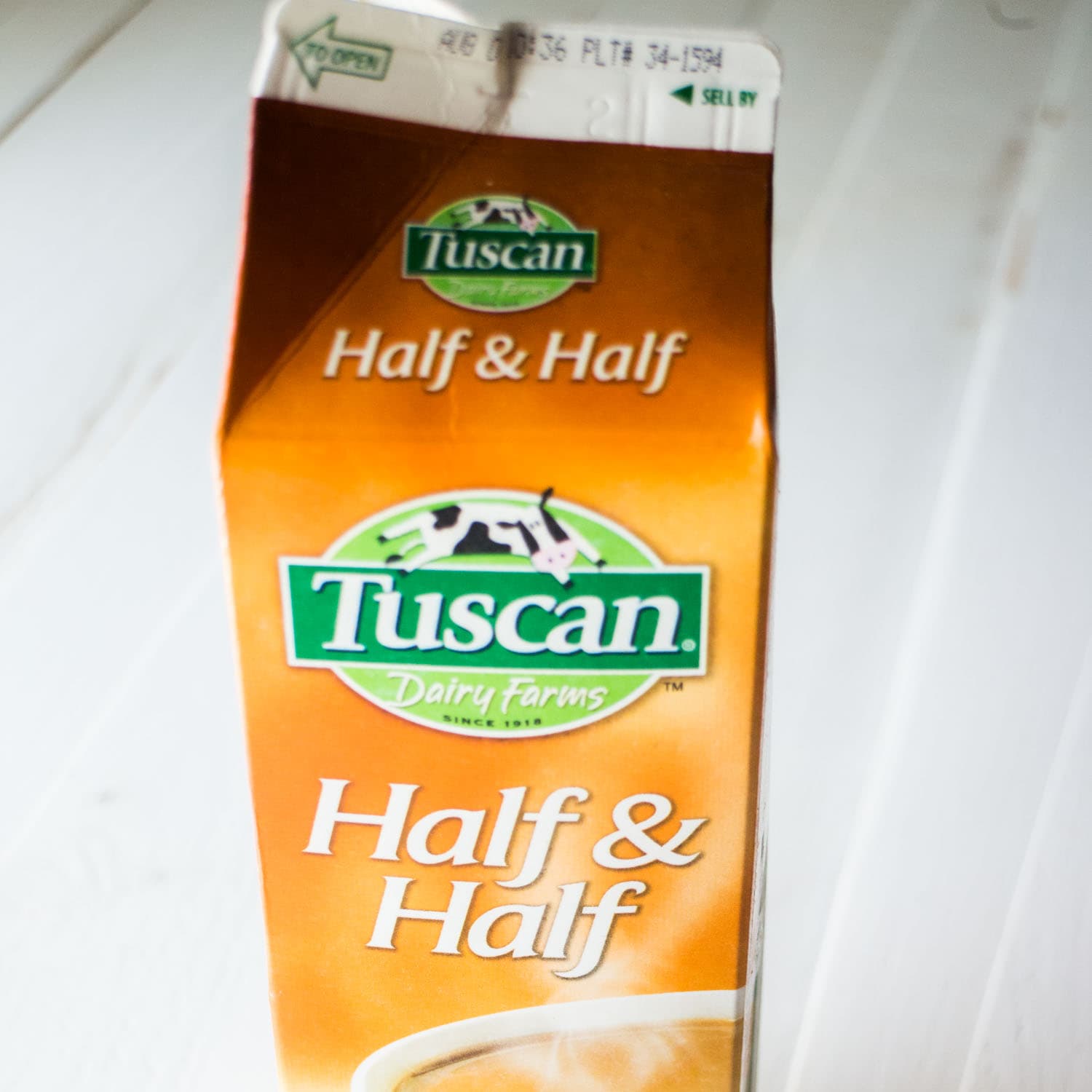
Can You Freeze Half-and-Half? Unlock Freshness and Save Money!
We've all been there: you open a fresh carton of half-and-half for your morning coffee or a special recipe, only to find a week later that most of it is still sitting in your fridge, nearing its expiration date. Tossing perfectly good dairy feels like a waste, both of food and hard-earned money. If you've ever wondered **how to freeze half half milk and save money**, you're in luck! The good news is, yes, you absolutely can freeze half-and-half. With a few simple tricks, you can extend its life by months, ensure less food waste, and keep your grocery budget in check.
Freezing half-and-half is a smart kitchen hack that many home cooks overlook. This creamy kitchen staple, a delightful blend of milk and light cream, adds an unmatched richness to everything from your daily latte to decadent sauces, soups, and baked goods. Preserving it means you'll always have some on hand, ready to elevate your culinary creations without the constant pressure of an expiring carton. It's a small step that leads to a significant reduction in waste and a boost to your financial savvy.
The Real-World Perks of Freezing Your Half-and-Half
Beyond the simple "can you freeze it?" question, understanding the tangible benefits makes this practice a no-brainer for any kitchen. Embracing the freezer for your half-and-half offers several compelling advantages:
- Slash Food Waste: Say goodbye to pouring unused, expired half-and-half down the drain. Every drop you freeze is a drop saved for another meal, contributing to a more sustainable, low-waste kitchen.
- Stretch Your Grocery Budget: No more buying a new carton every time a recipe calls for a splash, only to waste the rest. Freezing portions ensures you get maximum value from every purchase, putting a little more money back in your pocket.
- Make Life Easier: Imagine having pre-portioned half-and-half cubes ready to drop into your coffee, add to scrambled eggs, or whisk into a quick weeknight sauce. It's a lifesaver for busy schedules, eliminating last-minute grocery runs.
- Consistent Availability: Never run out of your essential creamer again. With frozen portions, you're always prepared for that unexpected coffee craving or a spontaneous cooking session.
These benefits highlight why learning
Freeze Half-and-Half: The Ultimate Money-Saving Guide is a skill worth mastering.
The Nitty-Gritty: What to Expect from Thawed Half-and-Half
While freezing half-and-half is entirely safe and highly recommended for saving money, it's crucial to manage expectations regarding its taste and texture after thawing. Dairy products, due to their unique composition of water, fat, and milk solids, undergo some changes when subjected to freezing temperatures.
When water freezes, it expands and forms ice crystals. In dairy products like half-and-half, these ice crystals can disrupt the emulsion of fat and water. Upon thawing, this often results in a separation of components. You might notice:
*
A Grainy or Chalky Texture: The fat and milk solids can separate from the water, leading to a slightly gritty or grainy consistency. This is the most common textural change.
*
A Watery Appearance: You might see a layer of clear liquid separated from a thicker, more opaque layer.
*
Clumps: Small clumps of fat solids may be visible.
The good news is that while the appearance and texture might be a bit "off" immediately after thawing, the taste usually remains perfectly good, especially in contexts where it will be mixed, cooked, or blended. As one of our sources notes, after it's thawed, it "looks a bit funny but tastes just as good in coffee or tea." A vigorous shake or whisk can often help reincorporate the separated components, though a perfectly smooth consistency might be elusive.
The fat content of half-and-half (typically 10.5% to 18%) plays a role here. It's more stable than skim milk, which can become quite icy and watery, but less stable than heavy cream, which freezes relatively well due to its higher fat content. Understanding these potential changes helps you choose the best uses for your thawed half-and-half.
Your Step-by-Step Guide to Freezing Half-and-Half Effectively
Freezing half-and-half is straightforward, but following a few key steps will ensure the best possible results. The most effective method centers around proper portioning and storage.
1. Choose the Right Containers for Portioning
The best method really just comes down to how you see yourself using it in the future.
- Ice Cube Trays: This is by far the most popular and practical method, especially for small, quick additions. Each cube can typically hold 1-2 tablespoons, perfect for a single serving of coffee, a small sauce, or scrambled eggs. Simply pour the half-and-half into the compartments.
- Small Freezer-Safe Containers: For larger portions (e.g., 1/2 cup or 1 cup for soups or baking), use airtight, freezer-safe containers made of plastic or glass (ensure glass is freezer-safe to prevent cracking). Leave about half an inch of headspace to account for expansion as the liquid freezes.
- Muffin Tins: Similar to ice cube trays but for larger individual portions. Once frozen, pop them out and transfer.
2. Freeze Until Solid
Place your chosen containers in the freezer. Allow them to freeze completely solid, which usually takes 2-4 hours for ice cubes and longer for larger portions.
3. Transfer to Long-Term Storage
Once individual portions are frozen solid:
- For Ice Cubes/Muffin Portions: Pop them out of their molds and transfer them to a heavy-duty freezer bag or an airtight freezer-safe container. This prevents freezer burn and saves space.
- For Larger Container Portions: Ensure the lid is tightly sealed.
4. Label and Date
This step is crucial for good freezer management. Use a permanent marker to label the bag or container with the date of freezing and the contents ("Half-and-Half"). You can also note the quantity of each portion (e.g., "1 tbsp per cube"). Frozen half-and-half is best used within 1-3 months for optimal quality, though it will remain safe beyond that.
5. Thaw with Care
When you're ready to use your frozen half-and-half:
- Refrigerator Thawing (Recommended): Transfer the desired amount from the freezer to the refrigerator and let it thaw slowly overnight. This gradual thawing helps minimize texture changes.
- Cold Water Bath (Quicker): Place the sealed container or bag of frozen half-and-half into a bowl of cold water. Change the water every 30 minutes until thawed. Avoid hot water, as rapid temperature changes can further destabilize the emulsion.
- Avoid Room Temperature or Microwave Thawing: Thawing at room temperature can invite bacterial growth, and microwave thawing can accelerate separation and lead to uneven heating or "cooking" of the dairy.
Once thawed, give it a good shake or whisk to help reincorporate any separated fat or milk solids. For a smoother consistency, you can even use an immersion blender or whisk it vigorously. You may also find it helpful to learn
Stop Half-and-Half Waste: How to Freeze Dairy for Later for broader dairy freezing tips.
Best Uses for Your Thawed Half-and-Half
Given the potential textural changes, it's wise to consider how you'll use thawed half-and-half. While it might not be ideal for uses where a perfectly smooth, unblemished texture is paramount (like adding directly to delicate custards or as a plain topper for fruit), it shines in applications where it will be cooked, blended, or mixed thoroughly.
*
Coffee and Tea: This is a popular application. While it might look a little separated when first poured, a good stir in your hot beverage usually blends it in perfectly, and the taste remains excellent.
*
Creamy Soups and Sauces: Thawed half-and-half is perfect for thickening and enriching bisques, chowders, gravies, and pasta sauces. Add it near the end of cooking and whisk constantly to re-emulsify.
*
Baked Goods: Use it in recipes for cakes, muffins, quick breads, or scones. The baking process will seamlessly integrate any textural inconsistencies.
*
Scrambled Eggs and Omelets: A splash of thawed half-and-half makes eggs extra fluffy and rich. Whisk it in well before cooking.
*
Smoothies: The blender will take care of any separation, creating a creamy and delicious drink.
*
Mashed Potatoes: Add thawed half-and-half for an extra luxurious and smooth texture.
*
Casseroles: Incorporate it into cheesy or creamy casseroles for added richness.
Tips for Success and Avoiding Common Pitfalls
*
Freeze Fresh: Always freeze half-and-half well before its expiration date. The fresher it is when frozen, the better its quality will be upon thawing.
*
Don't Refreeze: Once thawed, half-and-half should be used within a few days and not refrozen. Refreezing can degrade its quality further and poses a food safety risk.
*
Vigorous Mixing is Key: Don't be alarmed by separation. A powerful whisk, hand mixer, or immersion blender can often bring much of the emulsion back together.
*
Consider Fat Content: Full-fat dairy products generally freeze slightly better than their low-fat or fat-free counterparts, experiencing less drastic textural changes. Half-and-half, with its moderate fat content, strikes a good balance.
*
Use Appropriately: Choose applications where texture is less critical or where cooking/blending will mask any graininess.
By integrating these techniques into your kitchen routine, you'll be well on your way to mastering how to freeze half half milk and save money, becoming a more efficient and less wasteful home cook.
Conclusion: Embrace the Freezer, Embrace the Savings
Freezing half-and-half is a simple, effective way to combat food waste, extend the life of a valuable pantry staple, and ultimately save money on your grocery bill. While you should anticipate some minor textural changes upon thawing, the flavor remains intact, making it perfectly suitable for a wide range of culinary applications, particularly in cooking and baking. By following proper portioning, freezing, and thawing techniques, you can confidently turn that expiring carton into a convenient supply of ready-to-use dairy, always at your fingertips. So, next time you find yourself with leftover half-and-half, don't toss it—freeze it and enjoy the peace of mind that comes with a well-managed, low-waste kitchen.